 |
| Brandt's cormorant and nestlings on Guillemot Island at Point Lobos State Natural Reserve. Both male and female parents tend the nest. The nest is a pile of vegetation cemented together by guano. Cormorants wrap their webbed feet around the eggs to incubate them. |
Wednesday, July 11, 2012
Letting Go at Point Lobos


Sunday, June 24, 2012
Coastal Romance on the Rocks
 |
| Male Brandt's cormorant in breeding display - head tipped back over back, distinct bright blue gular pouch inflated, wings fluttering, tail cocked. |
I've toured the grassy hills of Palo Corona Regional Park above this section of the coast with fellow ecologists, and pulled ice plant at Garrapata State Park to the south, but never had I witnessed this rough and jagged shore with numerous small coves and changing vistas. Coastal California has so many beautiful places, it's hard to keep them all straight. The big clouds of a storm front were blowing in over the ocean and making large waves, so it looked like it was going to be a day of photographing white spray and aquamarine droplets flung at the rugged rocks. Except I got distracted by nature which tends to happen to me at nature photography workshops.
Thursday, June 21, 2012
The Longest Day
.jpg)
5:30 AM - Woke up to see a gophersnake visiting the birdbath outside the bedroom window.
8:00 PM - Stopped on the way home to watch a mom coyote groom 3 pups.
Saturday, May 26, 2012
A New Tail at The Coyote Brush Highway
.jpg) |
| Who might this be - this newcomer to The Coyote Brush Highway? |
Monday, May 21, 2012
Move the Rattlesnake First - an Ecliptic Experience
 |
| Solar eclipse 532 pm near La Honda, California. In central California, the eclipse was partial rather than annular. Captured by turning large end of binoculars towards the sun and projecting onto a white foamboard with focus short of infinity. Does anyone know what the green semi-circular ghost is in the lower left corner of this photo? It shows up sometimes when I shoot the moon with my 200mm lens. |
Tuesday, May 8, 2012
Wildflower Hotspot #6 - Coyote Lake - Harvey Bear Ranch County Park

Go now. Go anywhere in the Santa Cruz Mountains now to hike in the fresh air and catch the spring wildflower bloom because it is moving fast. We had lower than average rainfall this winter, so the fields are not heavy with flowers. Still, there is a good variety of colors and shapes to enjoy, just more widely spaced apart.
Thursday, May 3, 2012
A Cheerful Disposition
 |
| Another reason to love my Gitzo tripod - it's a great place to pose a snake. Notice the incomplete triad - sixth band behind the head. By photographing distinct patterns, I can record and distinguish different kingsnakes on the Dipper Ranch and get a rough idea of population size. |
Ok, I have eccentric friends and I share their nature geek reputation. Still, geek-to-geek, shouldn't one remember that fellow biologists are often out of the office for days at a time, and even a small snake will get smelly after a few days when it is dead? I have forgiven the geek in question because she really wanted to confirm this was one of the rarely seen nightsnakes, and she has pulled me out of many a pickle. And the petri dish coffin was a nice touch. How does your nature geek club keep things interesting?
Tuesday, May 1, 2012
Flower Links
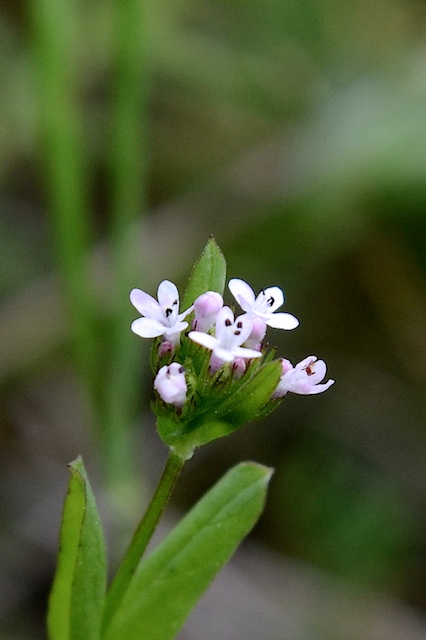 |
| I found this minute flower on Russian Ridge Open Space Preserve last week. I have never seen this flower before, so I was excited. By using the wildflower ID tools on the Links page, can you discover the flower's name? Educated and wild guesses welcomed in comments. You can ask any questions about the plant that will help you identify it and I will respond in the comments. |
Subscribe to:
Posts (Atom)